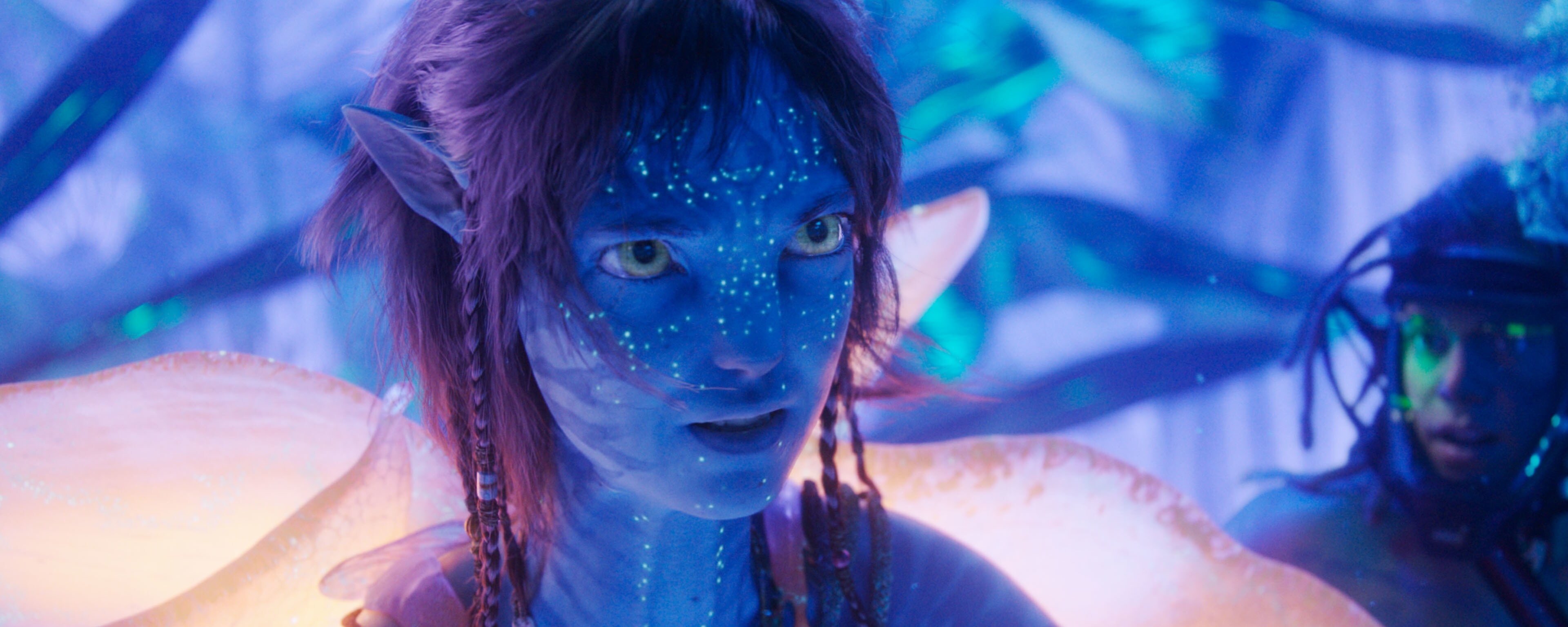
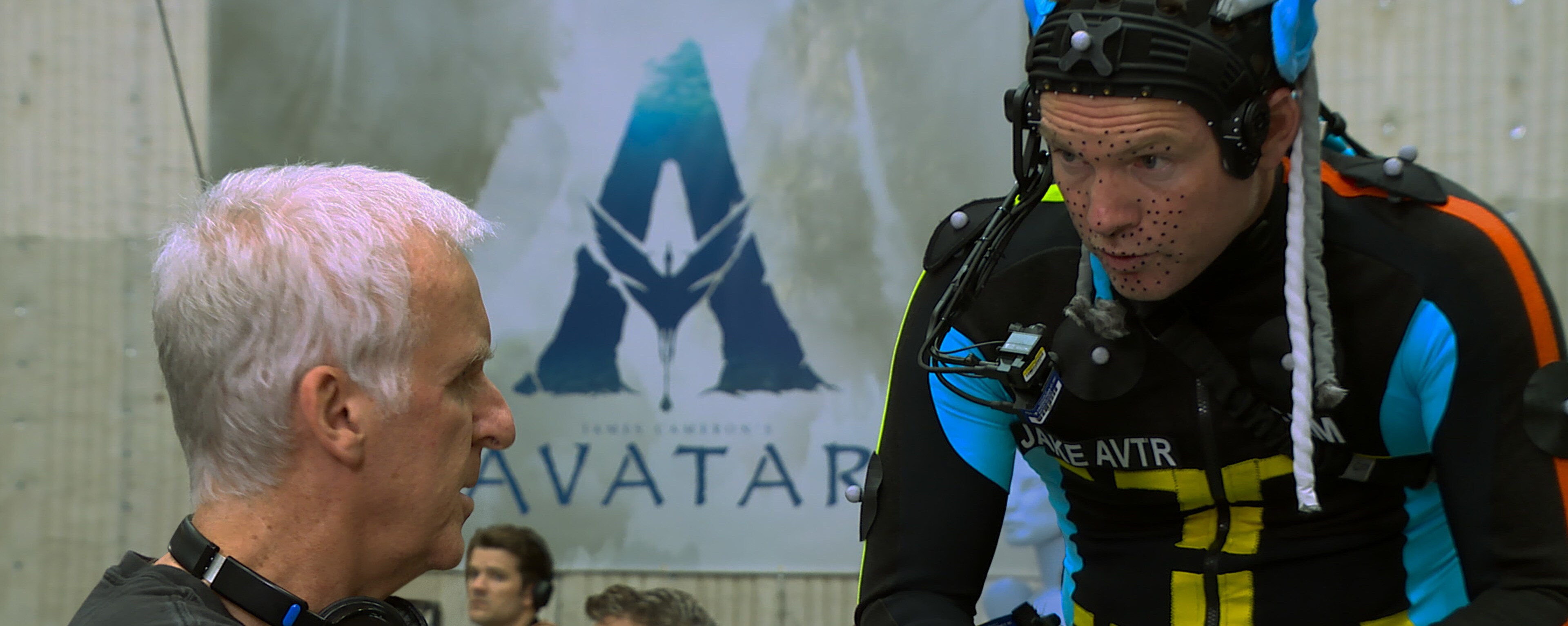
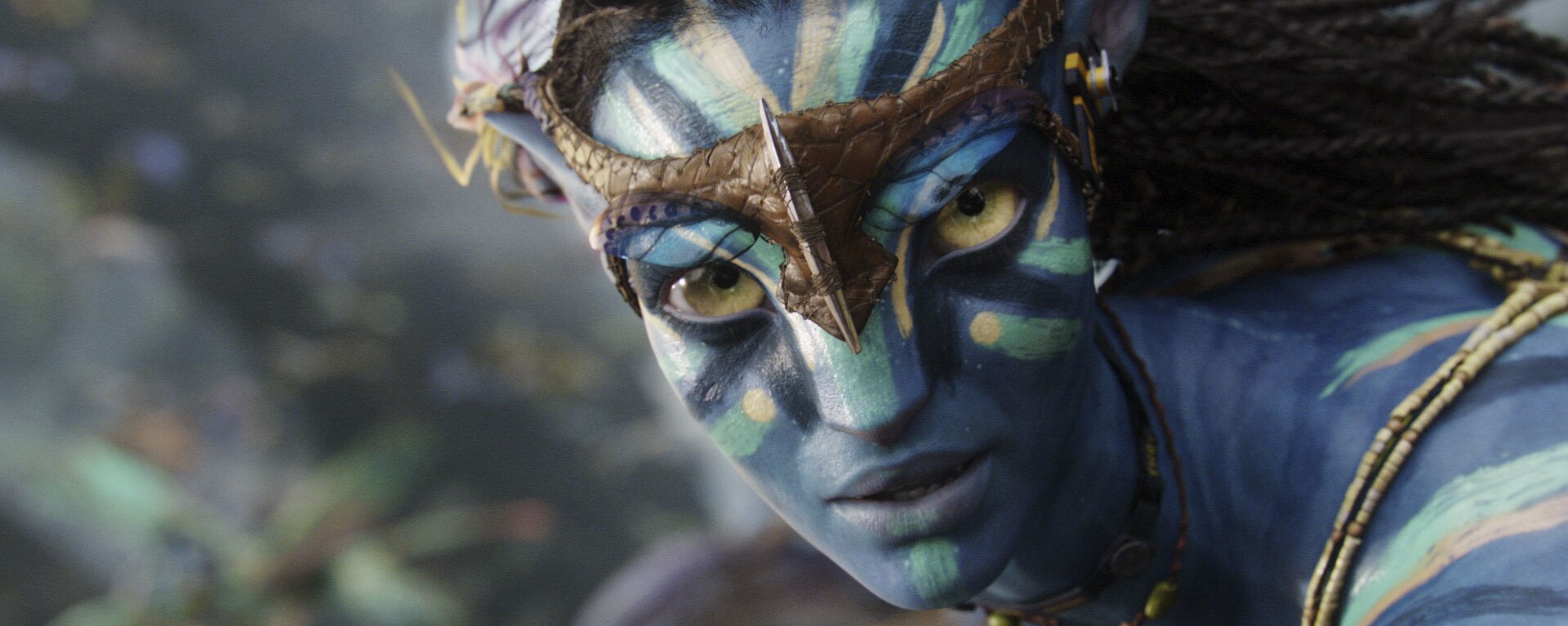
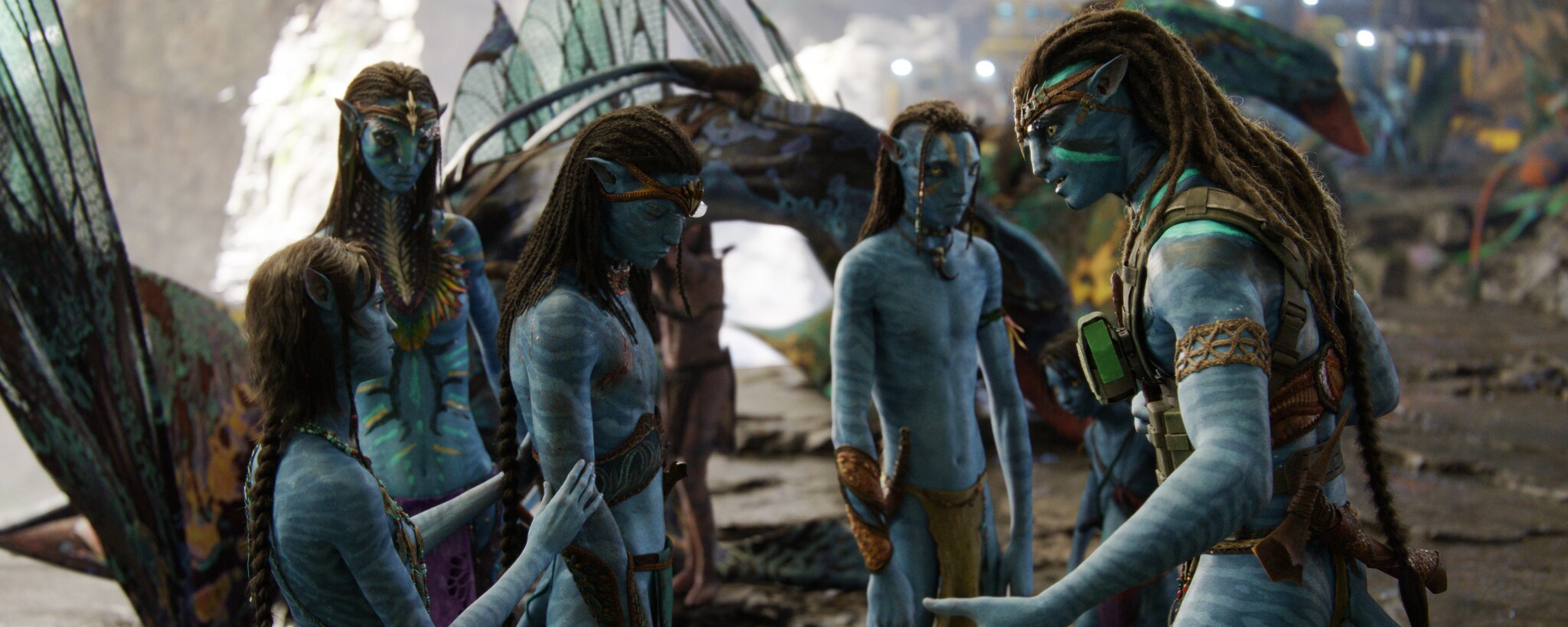
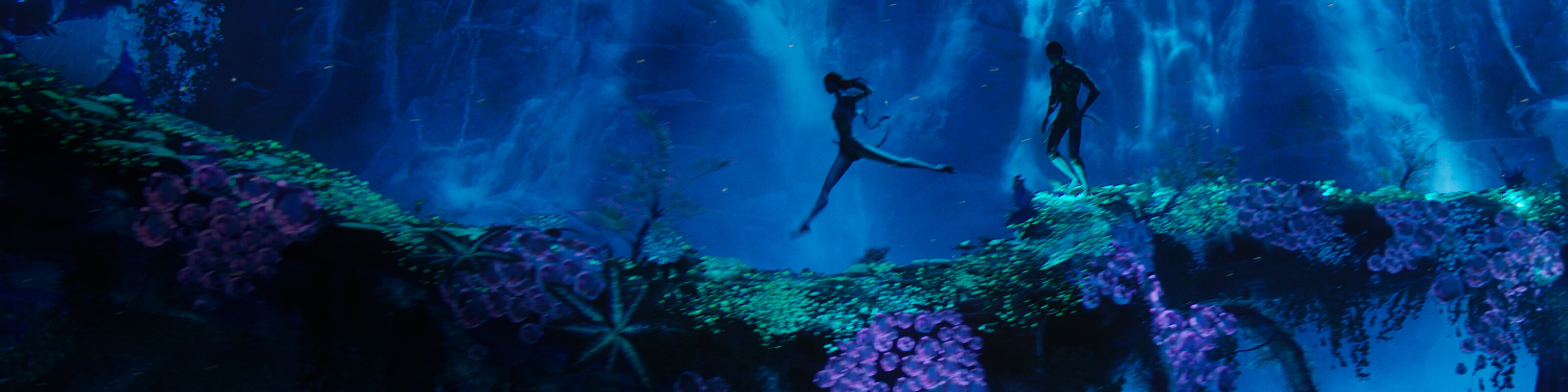
When James Cameron first brought Pandora to life on screen in 2009, audiences leaned forward in their seats and believed. The world was alien and familiar at the same time. A place that felt, against all logic, completely real. Sixteen years and three films later, that sense of wonder hasn't faded. If anything, it's grown.
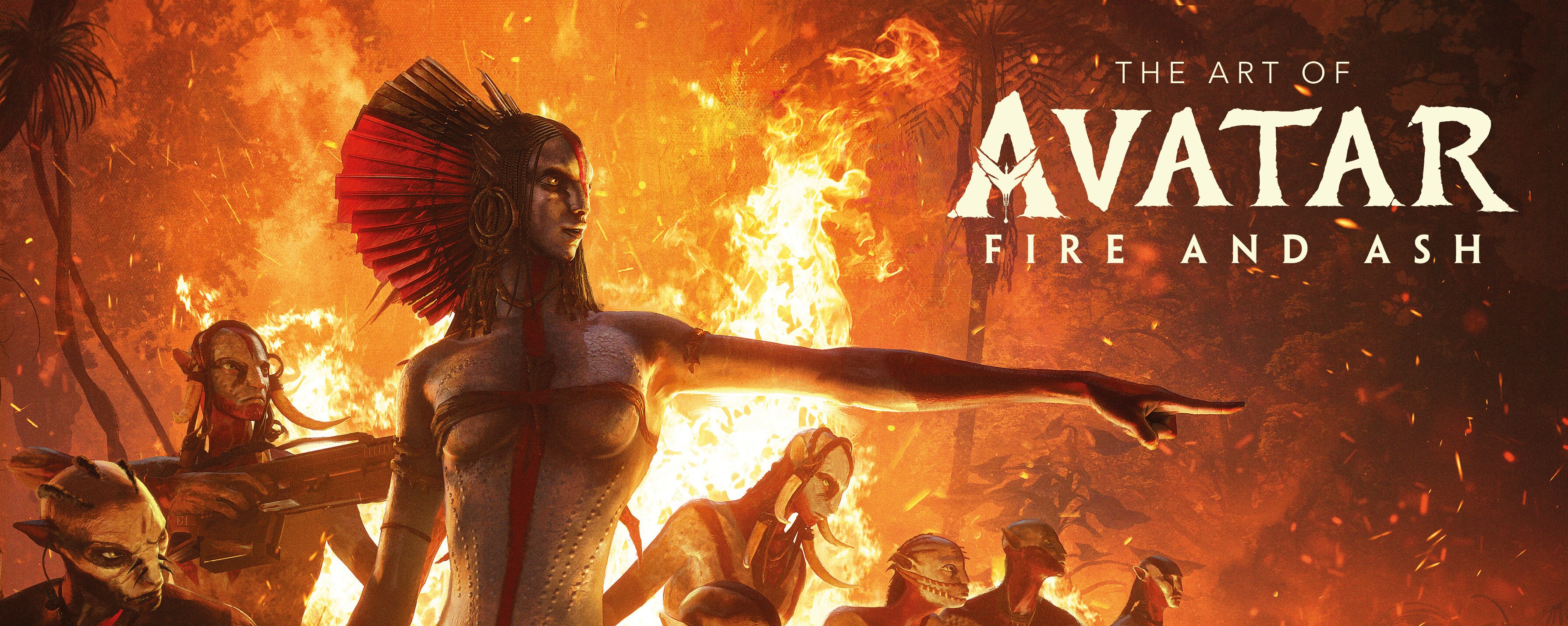
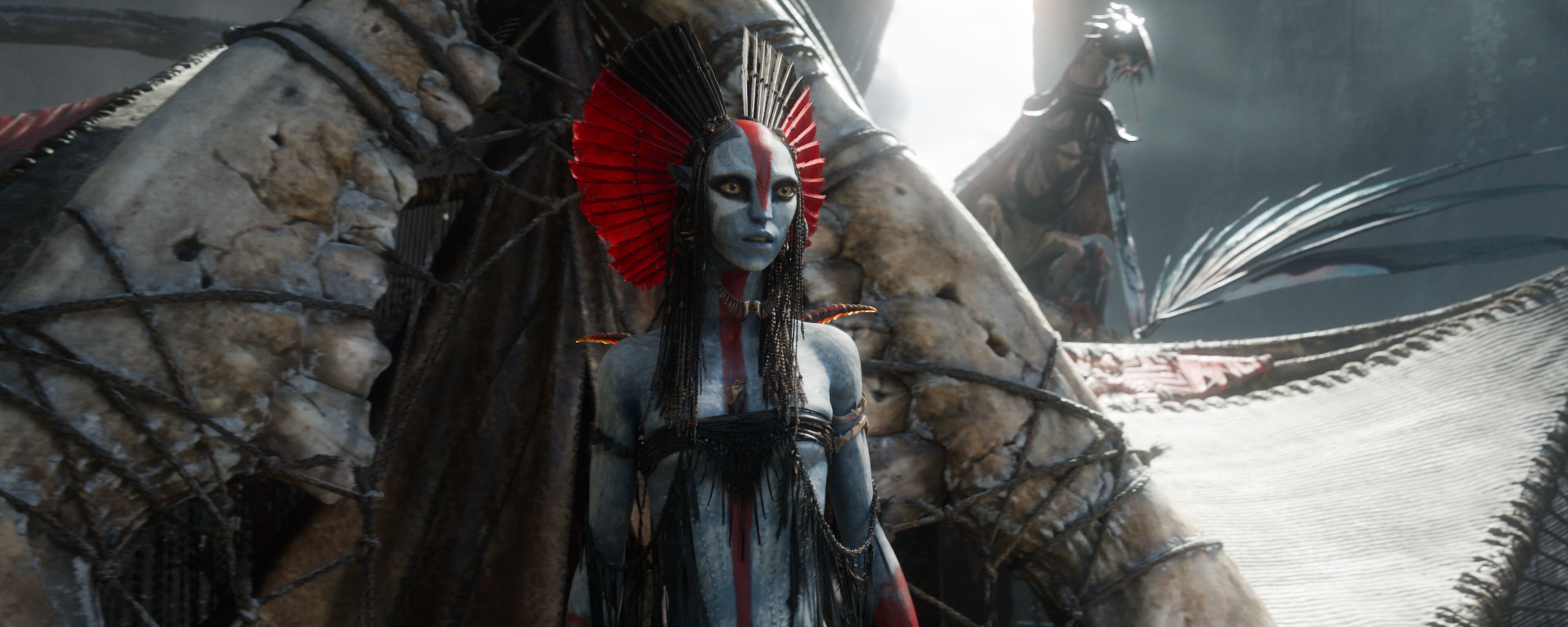
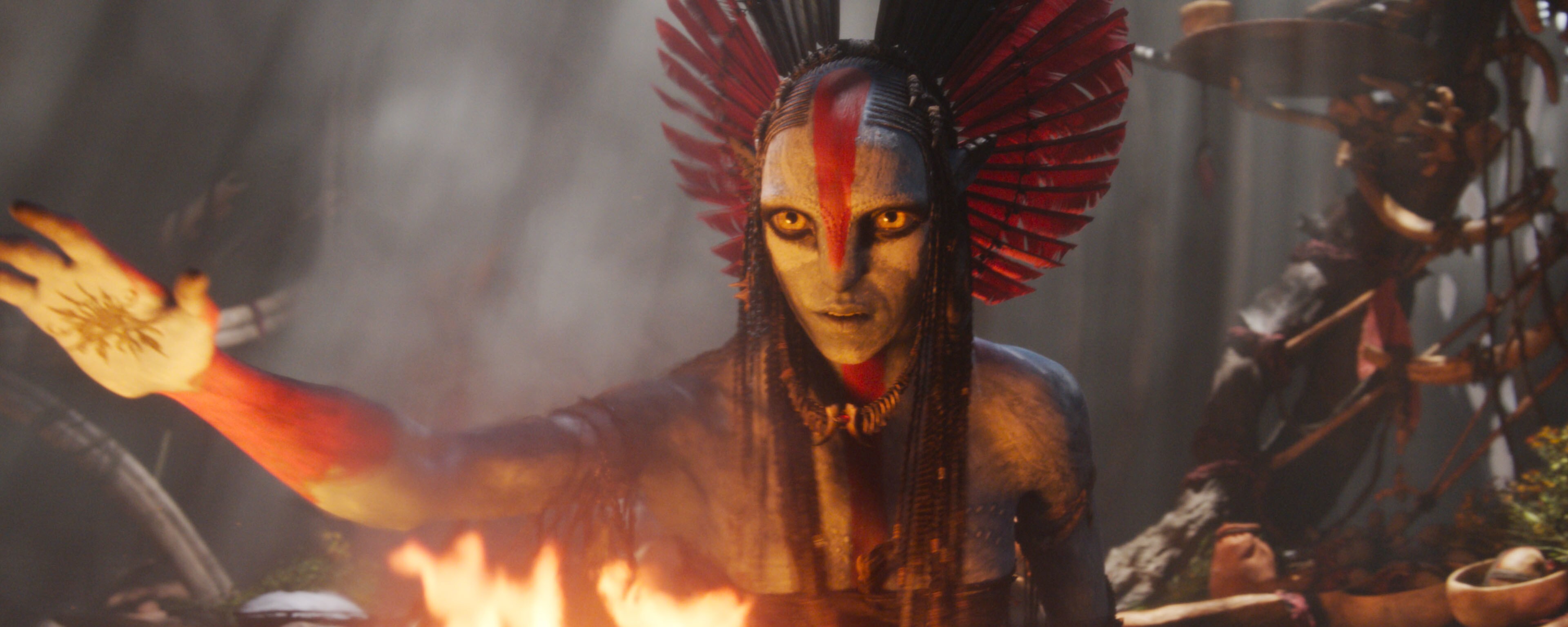
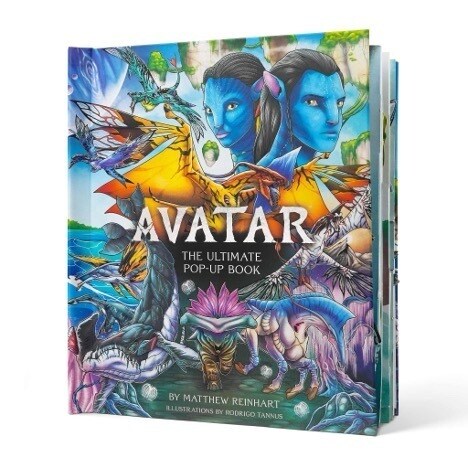
Avatar: The Ultimate Pop-Up Book, published by Insight Editions, takes that wonder off the screen and into your hands. The Hallelujah Mountains rise off the page as if lifted by the moon's own magnetic fields. A pair of banshees take flight in opposite directions, wings outstretched, suspended mid-air by nothing more than paper. Varang advances from the page with quiet menace, and the Tree of Souls climbs upward, massive and delicate all at once. It is, in every sense of the word, magic.
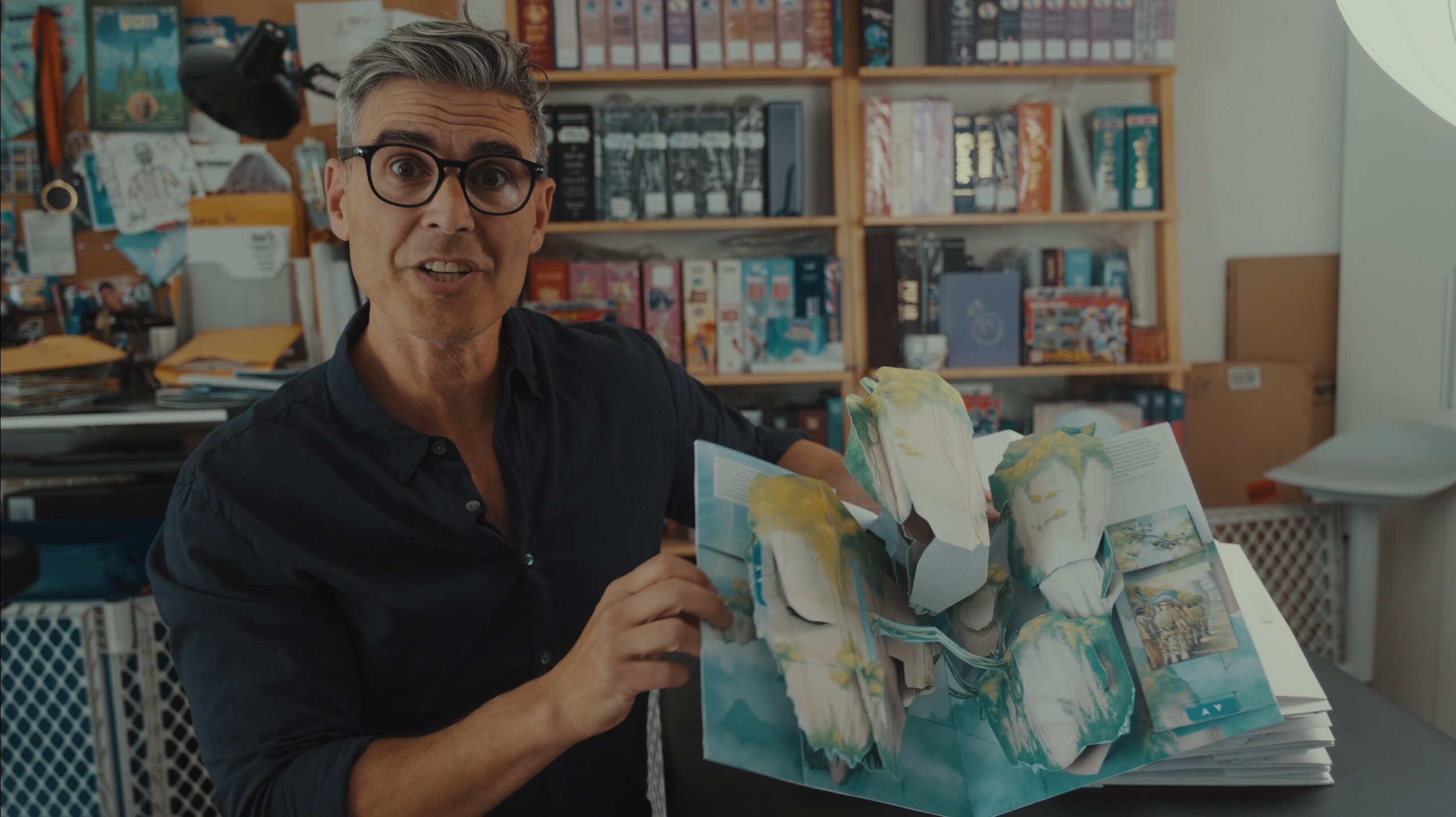
Behind every fold, every mechanism, and every carefully designed spread is paper engineer and self-described "three-dimensional illustrator" Matthew Reinhart, who has spent 25 years making the impossible out of paper. As a true Avatar fan, working on this beloved story was simply "a dream come true."
Engineering His Own Path
Matthew Reinhart's path to paper engineering is not a linear one, but it makes him perfectly suited to draw out the delicate biological details of Pandora. From his first doodles as a child, Reinhart drew animals. Driven by a deep love of zoology and paleontology, he began his academic career as a pre-med student because drawing animals, as far as his parents were concerned, was not quite the same thing as a career. While in undergrad, he worked at his university's Natural History Museum, preparing animal specimens for display and filling his sketchbooks with insects and creatures. Science and art were living side by side within him; two talents that hadn't yet found their shared purpose.
After a brief stint working for a tissue procurement agency in New York, Reinhart realized medicine wasn't his path. He convinced his parents to let him attend the Pratt Institute to study industrial design, dreaming of becoming a toy designer. It was there that he crossed paths with celebrated pop-up book creator Robert Sabuda and began an apprenticeship that would shape the course of his career.
"There are two parts of my brain that are always whirring," Reinhart explains. "There's the more scientific side and the engineering side that says, 'You can't do this.' And then there's the artistic side that's like, 'But I want to do this.' Paper engineering is what happens when the two parts merge." That merger is also why he resists the title of paper engineer alone. "I like to think of myself as a three-dimensional illustrator," he says, "because not only am I engineering it and figuring out how all the pieces go together, but it's almost like I'm sculpting with paper." After creating numerous books on dinosaurs, mythology, Star Wars, and Transformers, Reinhart built an extraordinary body of work, but Avatar was still waiting on the horizon.
A Pop-Up Encyclopedia of Pandora
Reinhart doesn’t hesitate when asked what Avatar: The Ultimate Pop-Up Book offers to fans. "The Avatar pop-up is an opening to a whole new world," he says. "Opening the book is a welcome that says, 'Let's immerse ourselves, let's learn about all of these different creatures and characters.' It's almost like an encyclopedia." Spanning all three films, the book is less a retelling of the story and more an invitation into the creatures, the environments, and the characters that make Pandora feel impossibly real.
That realism is what drew Reinhart to Pandora in the first place. More than the spectacle, it was the depth underneath, the sense that everything in this world had been rigorously imagined. "There are creatures that may barely show up on the screen, and yet, there's a whole biology story behind that creature," he says. "If you look at it closely, it makes sense that it would walk like that and move like that and eat like that." For someone like Reinhart, who once spent his evenings drawing insects and cataloguing specimens, that quality of Cameron's world felt like home.
It also felt like a responsibility. Working closely with the Lightstorm Entertainment team — the production company behind all three Avatar films — Reinhart was acutely aware that the fans who would hold this book know Pandora intimately. "I care a lot about representing the stories we retell in these books," he says. "If you, the artist, don't care enough about the source material, there's going to be a fan out there that does, and if you do it incorrectly, they're going to point it out. I want to make something that's really special and that's memorable and that means something to somebody." He becomes, as he puts it, "a geek" about every world he works in, absorbing as much as he can, for as long as the project demands. With Pandora, that depth never ran out.
Scissors, Tape, and a Studio Full of Paper
The creation of every spread in Avatar: The Ultimate Pop-Up Book begins the same way: with words. Reinhart's early conceptual process is deliberately open-ended. "I like to use words because if I draw something on the page, I might not be able to engineer what I imagined," he explains. "Or I might be able to design something way better." Getting locked into a sketch too early might mean shutting out a better idea.
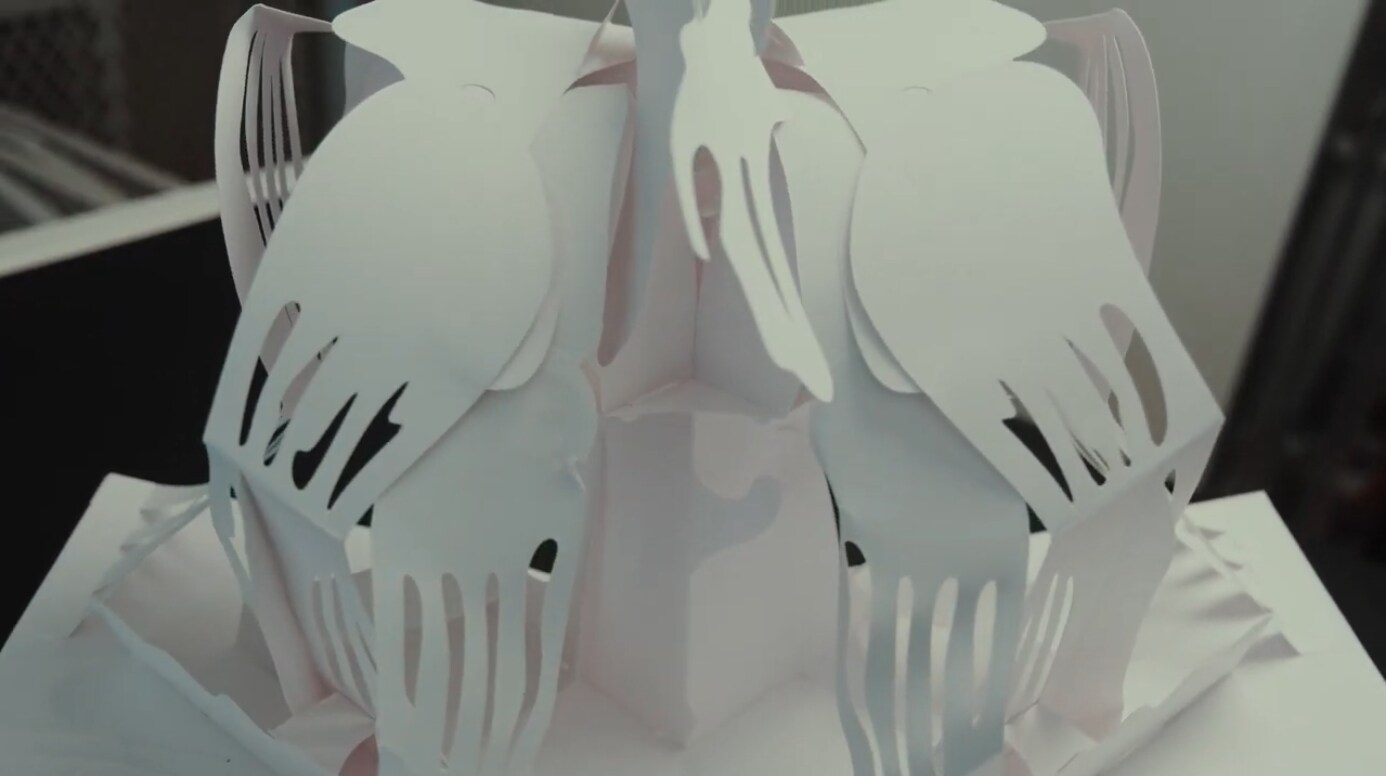
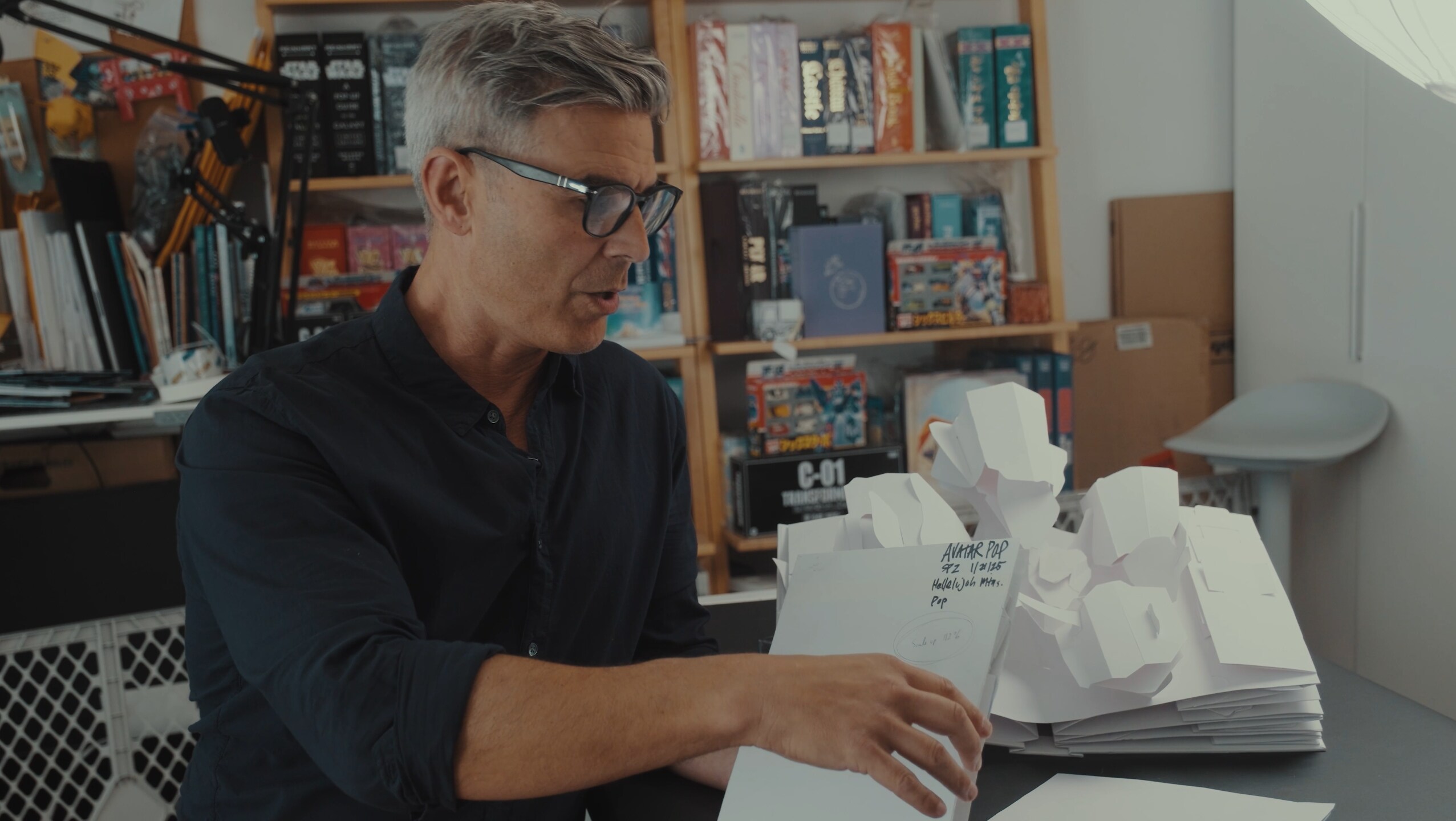
Once the concepts are set, Reinhart retreats to his studio and starts cutting. "It's just me in my studio with scissors, tape, glue, and X-Acto knives, cutting out the paper and figuring out how all these pieces work together," he says. The first prototypes are made entirely by hand in white paper: rough, tactile, and full of possibility. As each spread takes shape, Reinhart thinks like a filmmaker working with a very small crew. "On this page, we need to see something up close. On this page, it's a scene and things need to move. You want to feel like there are different edits, and you're able to see the world from multiple perspectives." For a book designed to immerse readers in a world as vast as Pandora, that cinematic thinking is essential from the very first fold.
It also means thinking in three dimensions at every stage. When building the Tulkun reef spread, the challenge wasn't just engineering the creature itself, it was accounting for everything around it. Every element is designed separately and composited together, piece by piece, so that nothing collides when the page opens. "Knowing how big the Tulkun has to be without hitting anything, and then knowing all of the creatures that need to go in there," Reinhart explains, is a puzzle that has to be solved before a single piece of color art is even commissioned. The process is painstaking, and failure is fundamental to it. "You have to fail a lot when you're doing what I do. The initial step is all by hand — cutting and sculpting and figuring out how things fold and close and catch." It's trial and error at its most literal, and it's where the real design work happens.
Reinhart has been doing this long enough that the problem-solving sometimes follows him to sleep. "There are times when I actually dream engineering, which is just weird," he says with a laugh. "But it does happen."
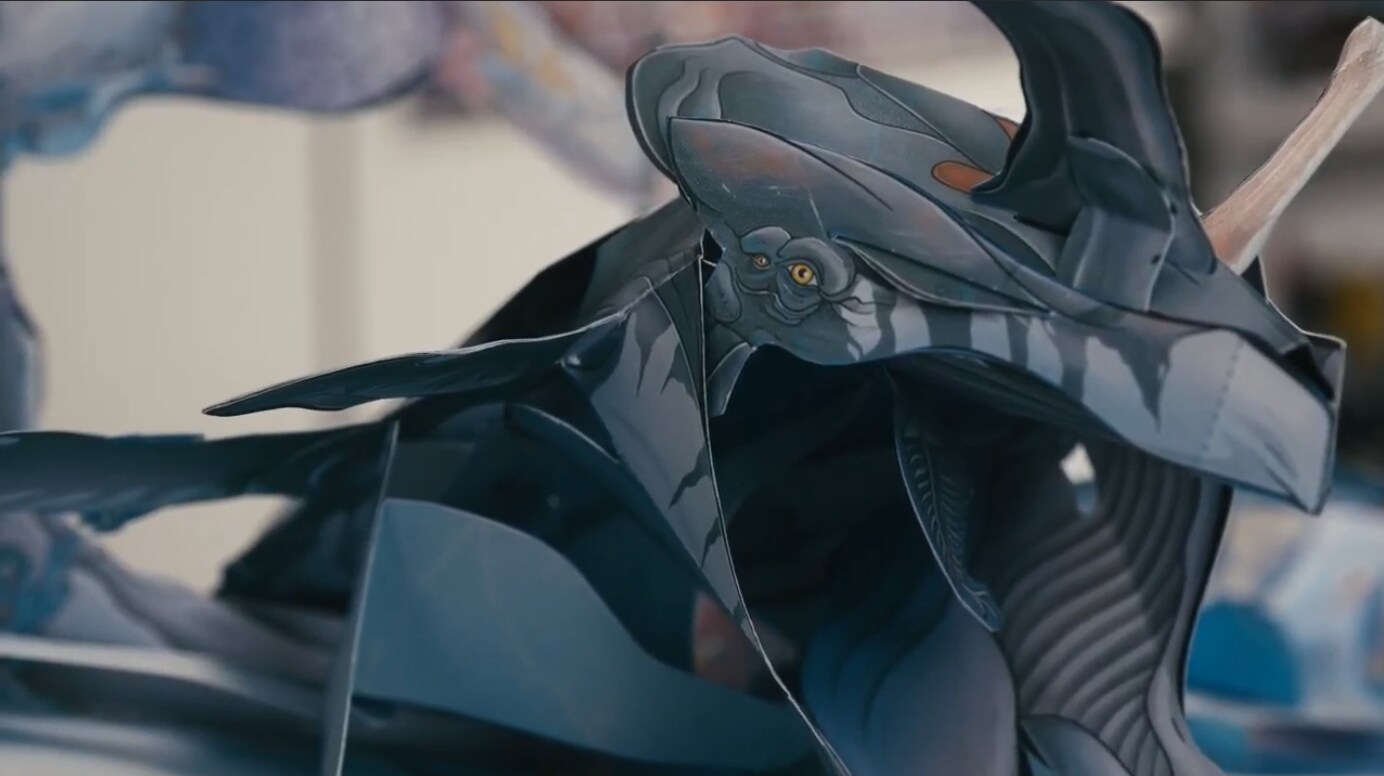
Once Reinhart is satisfied with his prototype, he gets it approved by his publisher Raoul Goff at Insight Editions and by the Lightstorm Entertainment team. Then, he carefully disassembles the prototype and scans it, piece by piece, so that he can digitally rebuild the pieces in Adobe Illustrator to create precise templates. Those templates then guide the creation of artwork. For Avatar: The Ultimate Pop-Up Book, Reinhart worked with artist Rodrigo Tanus to bring the color to life across hundreds of individual pieces. His artist guides are extraordinarily detailed, and they have to be, because in a pop-up book, every surface is potentially visible. "There may be hundreds of pieces and they're all labeled," Reinhart explains. "This is the front of the mountain banshee. This is the underside. This is the inside of the mouth." He pauses. "I want readers to be able to explore however they'd like. That means thinking through the immersiveness of every angle."
None of it happens in isolation. "All of these books are collaborations. All of them," he says. "I love working in teams of people. There's inspiration with others, there's a vision that you may not get without working with someone else." The creative partnership with Lightstorm, Insight Editions, and Tanus shows on every page.
Breathing Life Into the World of Pandora
Reinhart was excited to create Pandora out of paper from the moment he first saw it on screen in 2009. And it's not hard to understand why. James Cameron built a world with the rigor of a scientist and the imagination of an artist, every creature with its own biology and its own place in a larger ecosystem. For someone whose brain has always been split evenly between those two impulses, Avatar was a perfect project, and some of its most iconic elements had been taking shape in Reinhart's imagination long before he ever picked up a pair of scissors.
Some spreads in the book took weeks to crack. The Hallelujah Mountains were not one of them. "I sort of had an idea of how it would be implemented," Reinhart says. "They sort of expand to be dimensional, different mountains." That vision had been forming since the first film, and when it finally came time to build, it came together more quickly than almost anything else in the book. "That one took less time because it was brewing in my head beforehand," he says.
The Tulkun was a different kind of excitement altogether. "I loved Avatar: The Way of Water," Reinhart says. "There were moments which I thought James Cameron was really brilliant with — quiet moments of just exploring underwater, seeing these beautiful creatures." He didn't just want to represent the Tulkun visually; he wanted to capture its scale, its presence, the way it feels when you encounter one on screen. "Seeing the scale of the Tulkuns was something I was really excited about making." What connected both of those moments, and the entire book, was the same thing that drew Reinhart to Avatar in the first place: the sense that this world had been thought all the way through. "The detail that goes into everything, if you look at it closely, it makes sense," he says. "It's almost, well, practically real."
Pushing Paper Further Than It's Ever Gone
There are two spreads in Avatar: The Ultimate Pop-Up Book that pushed Reinhart into new territory and let him to create mechanisms that didn't exist until this book required them.
The first is on the book's opening spread, where two banshees fly outward from the center of the page in opposing directions. The foundation of their design is a common mechanism called a V-fold riser. Making them angle away from each other required a new variation on that technique — asymmetrical V-folds that pull against each other. "I wanted the banshee to be sort of angled," he explains, illustrating with his hands how they appear to be taking flight in two different directions at once. He also applied one of his favorite personal techniques to amplify their impact. "I like to overextend some of the mechanisms because if you overextend, they come out more — they can get bigger and taller." No matter how far a reader opens the page, the banshees keep growing into the space around them.
The greater challenge, though, was saved for last. The Eywa spread, the Tree of Souls, closes the book and is by every measure its grandest achievement. Reinhart's initial design was expansive, but its perspective made it difficult to absorb all at once. Raoul Goff, his publisher at Insight Editions, pushed for something different: a tree that felt like it was growing directly out of the pages. That note sent Reinhart back into the studio, and what he eventually developed uses a push-pull dynamic unlike anything he had built before. "There are parts pushing it up, but then there are pieces that are pulling the branches downward as well, so we can get some nice curves of the branches that are hanging down," he explains. The goal was always to capture something specific about the way the Tree of Souls moves and feels on screen. "I wanted to mimic that sort of arching down, sloping, willow tree-like feeling. It had to encapsulate the Na'vi who are moving within the tree, while giving enough negative space that you could see them between the branches."
A small pull tab moves figures gently back and forth as they commune with Eywa. The result is, by Reinhart's own reckoning, the single greatest achievement of this book. "That spread I built and rebuilt the most," he says, "but I'm the proudest of it." It stands at a scale he describes simply as "massive," yet somehow it remains light. "It still has an airiness to it that I really like."
For Reinhart, the pursuit of new solutions isn't a side effect of the work. It is the work. "There's always something in each book that's new," he says. "I want to do things that challenge me, and when I'm excited, that's when I make the best book."
A World That Rises Off the Page
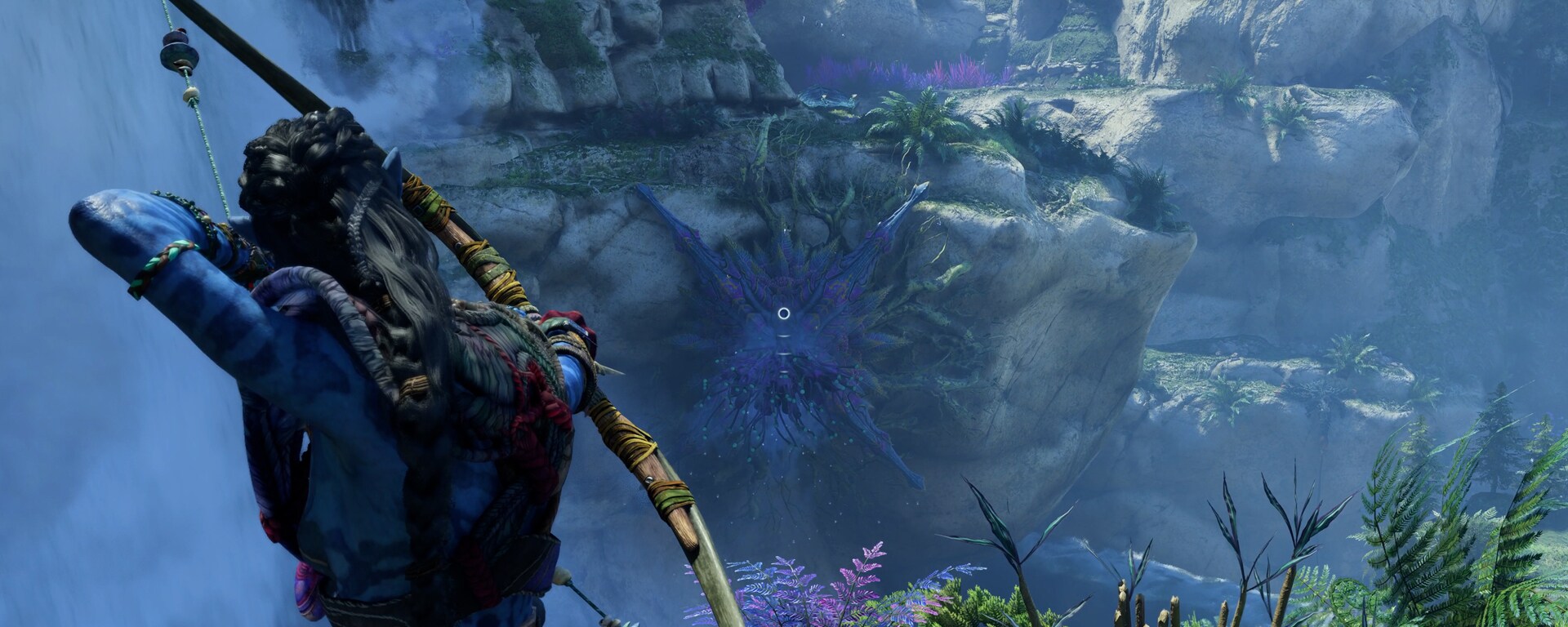
The world of Avatar is one that fans never stop exploring, through the films, through Pandora – The World of Avatar at Disney's Animal Kingdom, through games like Avatar: Frontier of Pandora, comics, and merchandise. Avatar: The Ultimate Pop-Up Book adds something new to the Avatar universe: Pandora, in your hands.
"I wanted to make an immersive book," Reinhart says. "Something that's special and almost magical that happens right before readers' eyes with real paper and real mechanics." There's no screen, no processor, no digital rendering. Just paper, folded and cut with extraordinary precision, expanding when you open the page and resting when you close it. "The cool part is that the reader is in charge of making the magic happen and then making it go away at the same time."
Reinhart also thinks about what a pop-up book can do for readers who might not otherwise pick one up. He didn't read much as a kid, and he suspects pop-up books would have changed that. "Pop-up books pull in a reader," he says. "You see this huge thing on the page, it's really exciting." And maybe, having been pulled in, they stay a little longer and come away wanting to make something of their own. "I hope that people can look at what I do and be excited about creating things on their own. My job is basically glorified arts and crafts, but you can learn this too. It just takes effort and practice."
At its core, what Reinhart wants is simple. "I want readers to have that same sort of excitement and inspiration," he says, "to feel like something that seems impossible can happen in reality, right before their eyes." With Avatar: The Ultimate Pop-Up Book, Matthew Reinhart continues the work that James Cameron began, finding a new way to make Pandora feel like somewhere you can actually go that just so happens to fit in your hands.
Avatar: The Ultimate Pop-Up Book is available now from Insight Editions. Open its pages, and let Pandora rise.