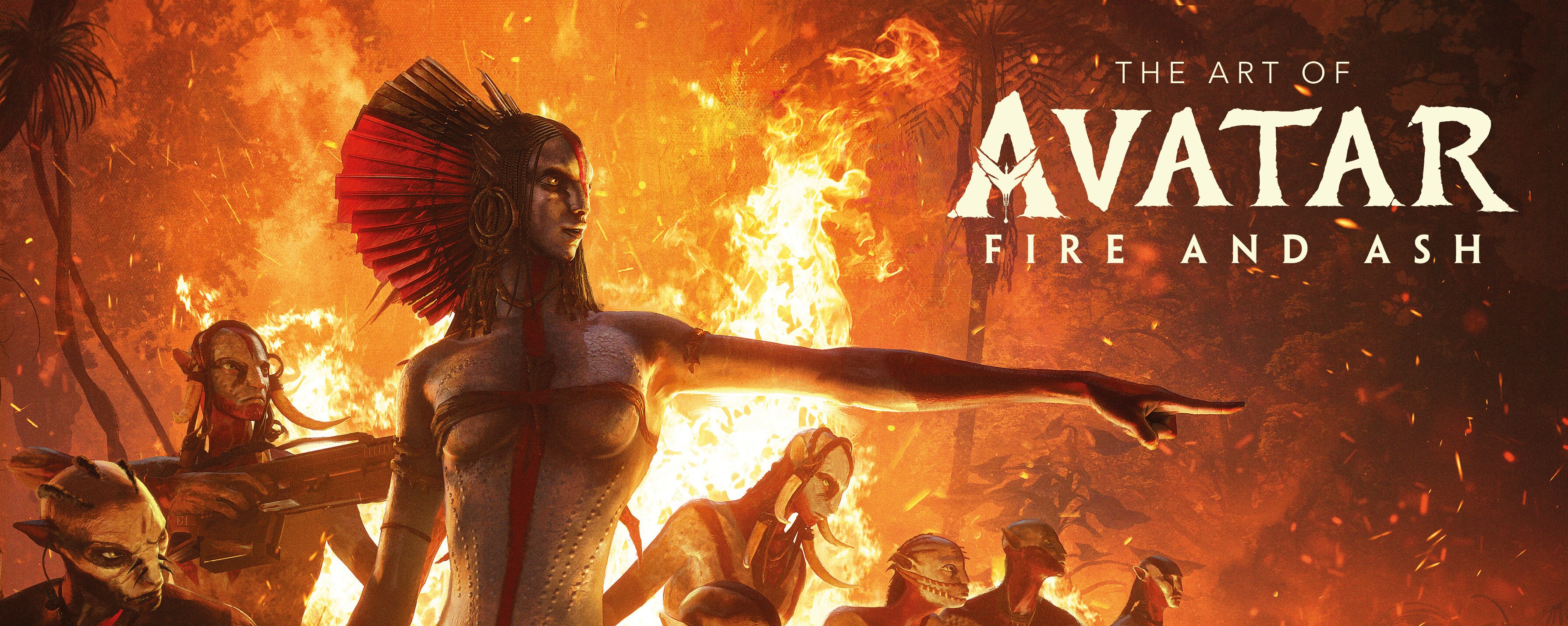
Avatar: Fire and Ash introduces a dangerous — and incendiary — new threat.
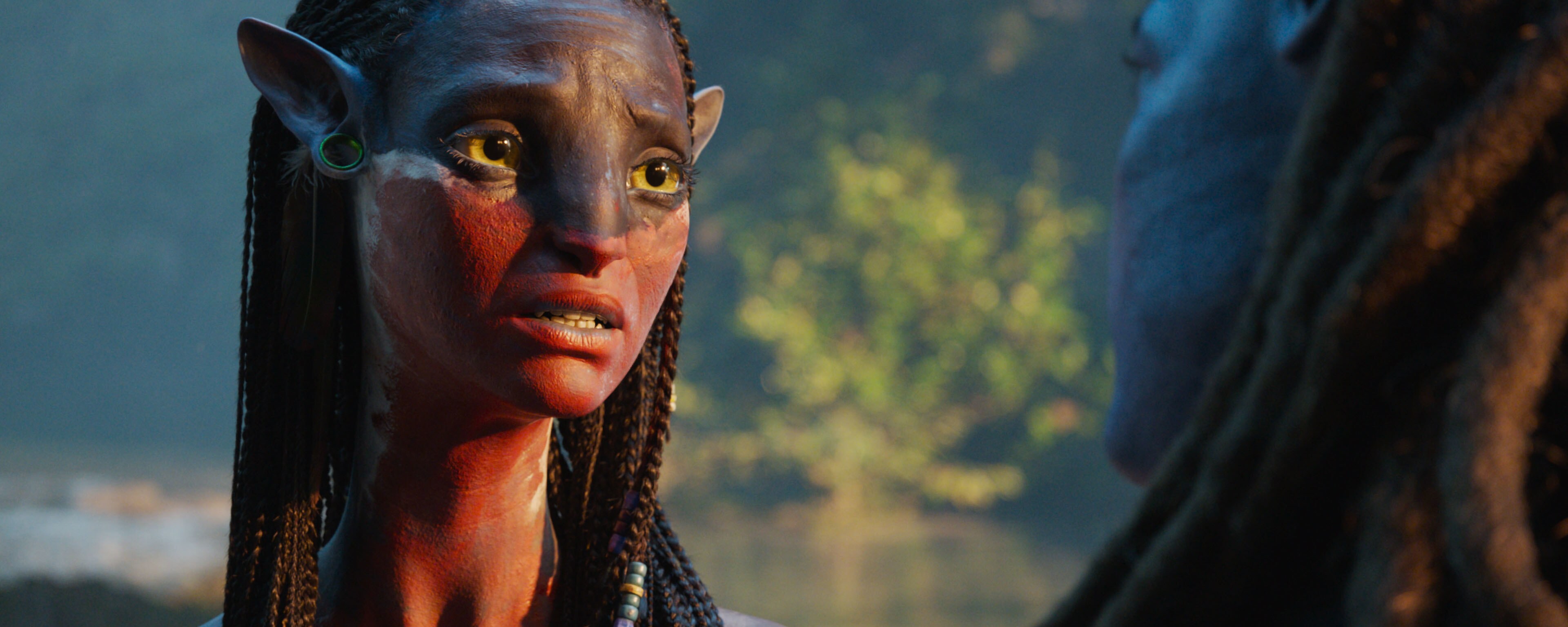
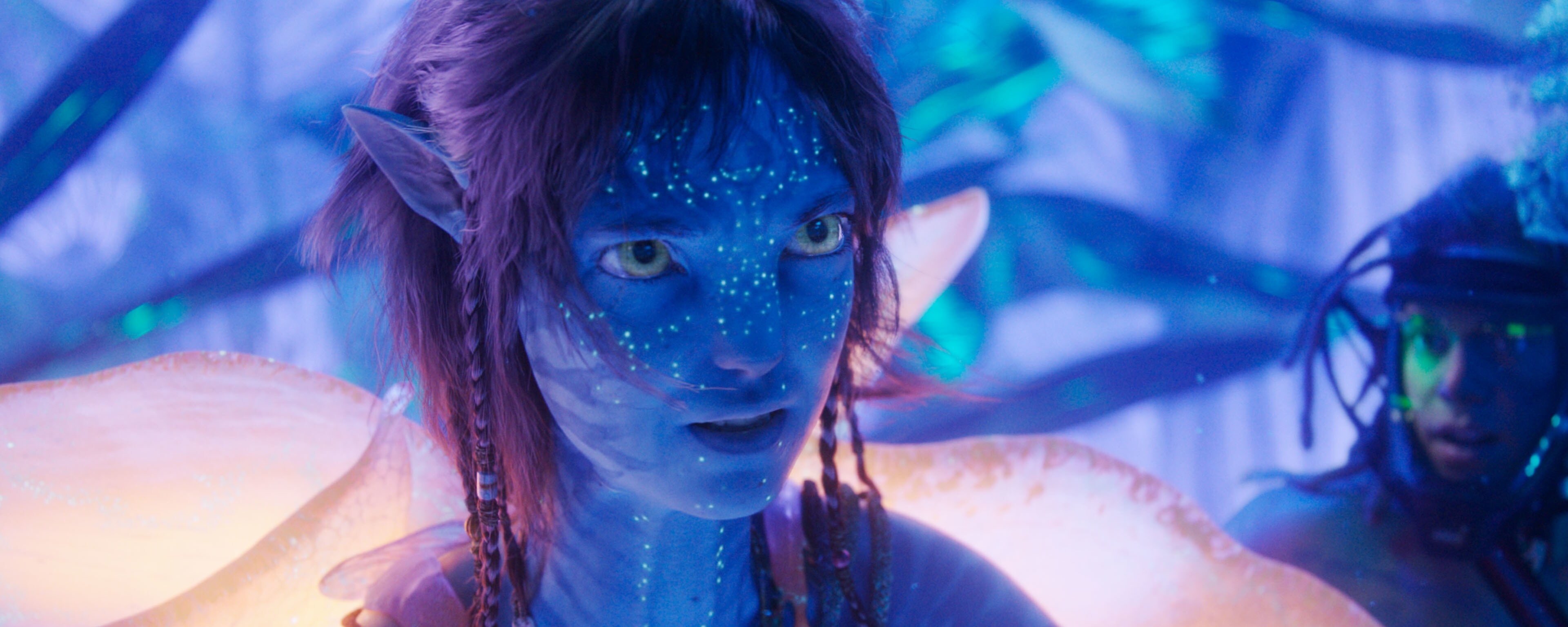
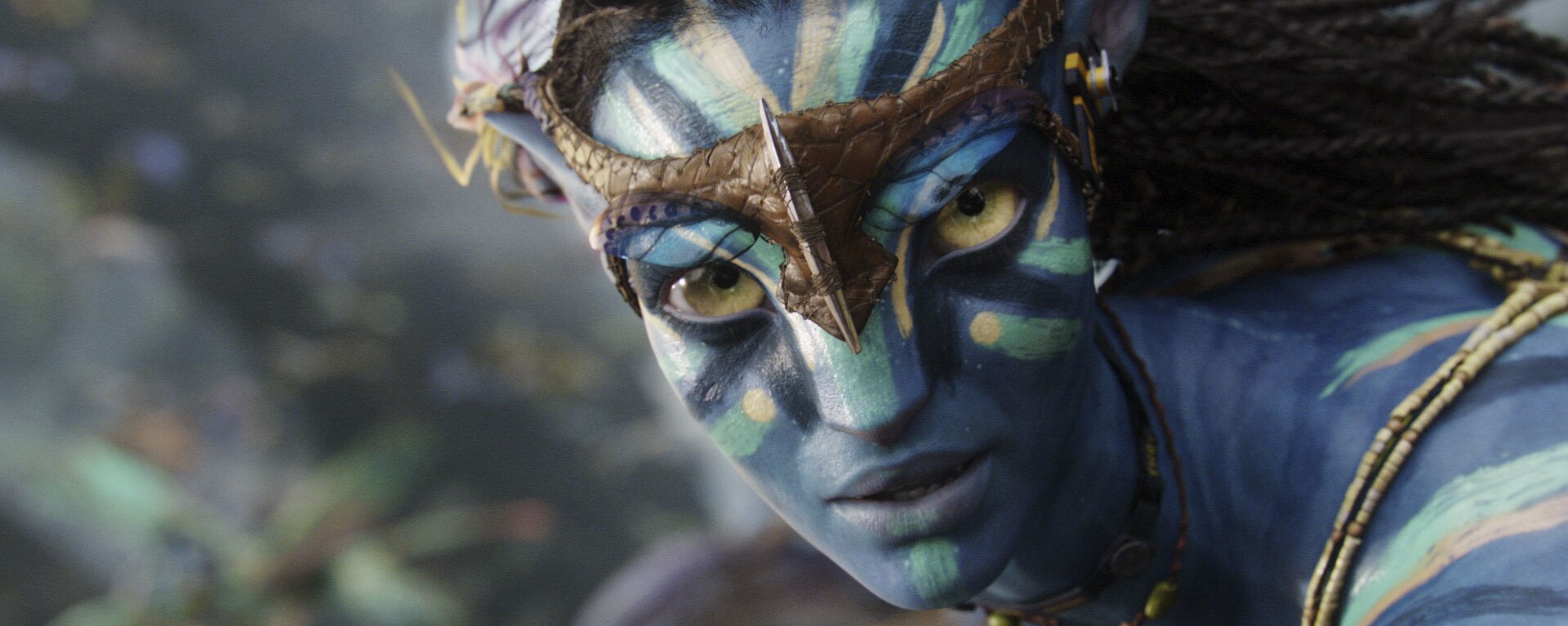
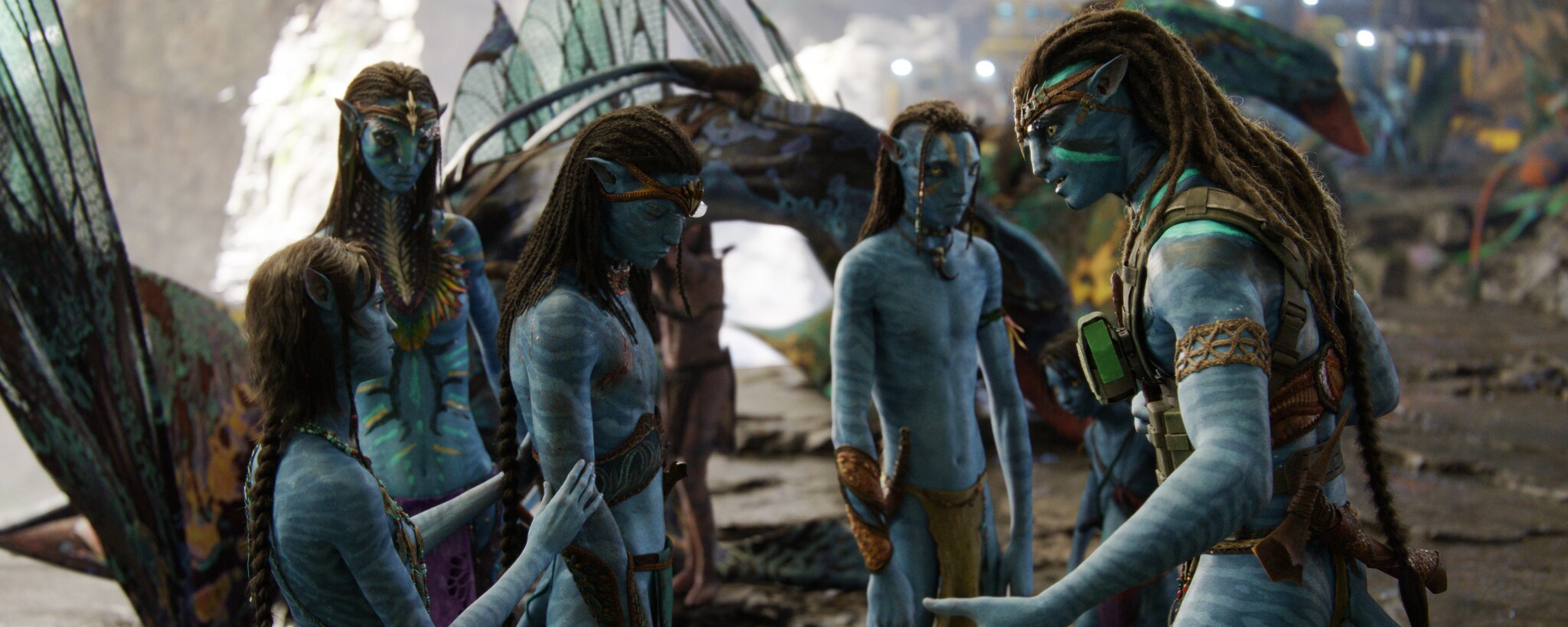
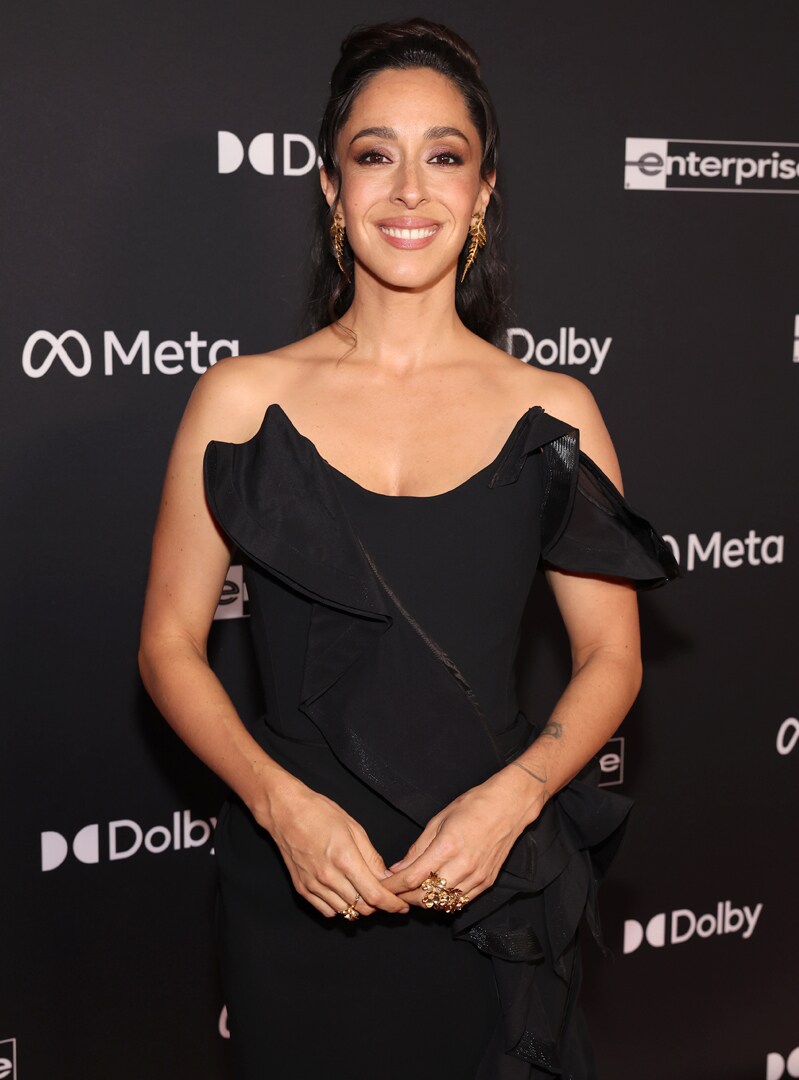
The third film in James Cameron’s epic saga (in theaters now) once again follows the close-knit Sully family, led by former Marine Jake Sully (Sam Worthington) and Na’vi warrior Neytiri (Zoe Saldaña). The Sullys have faced plenty of challenges, but Fire and Ash puts them on a collision course with the Mangkwan clan and their powerful leader Varang, played by Oona Chaplin.
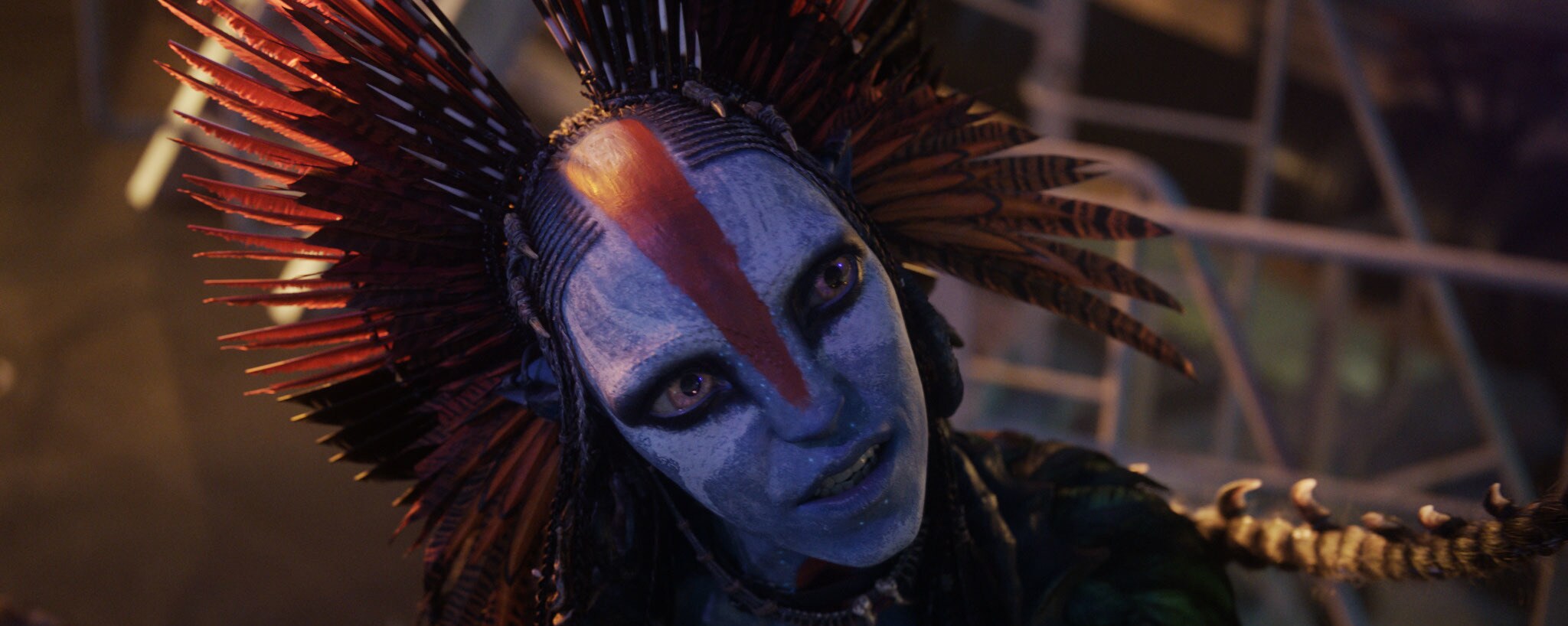
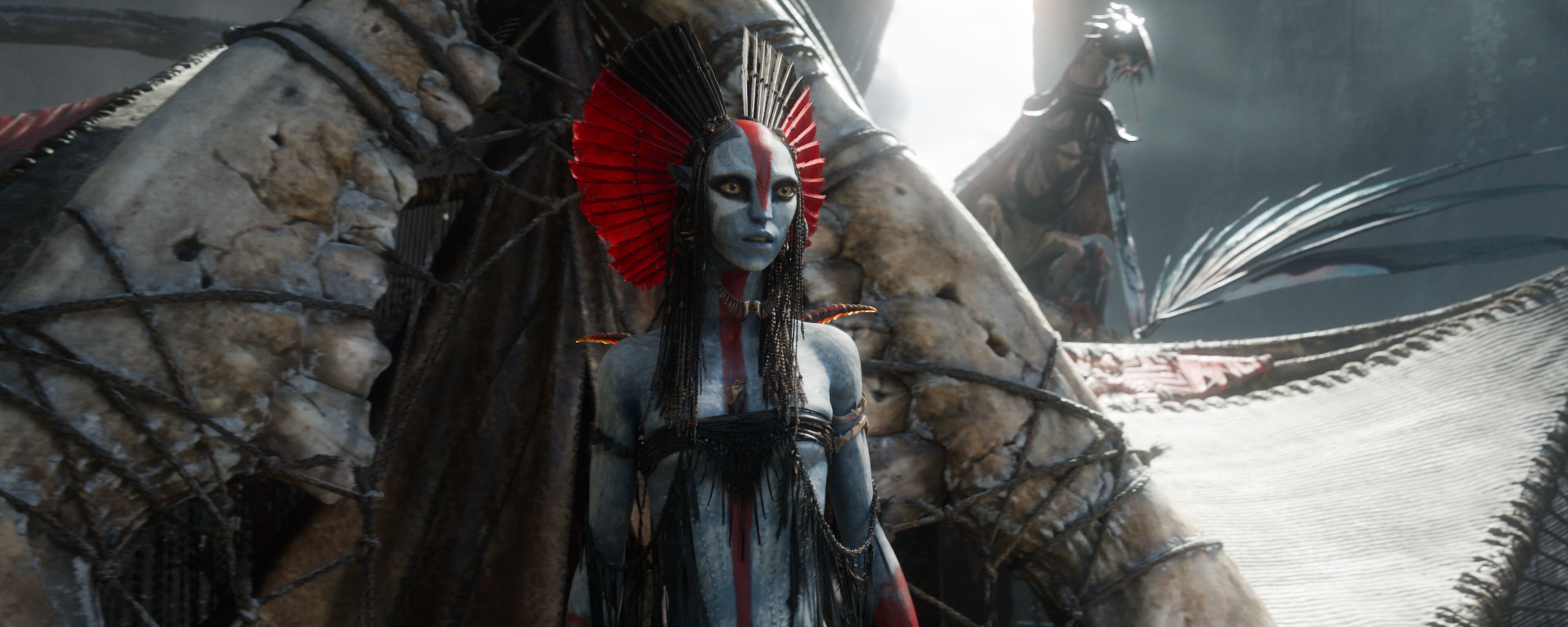
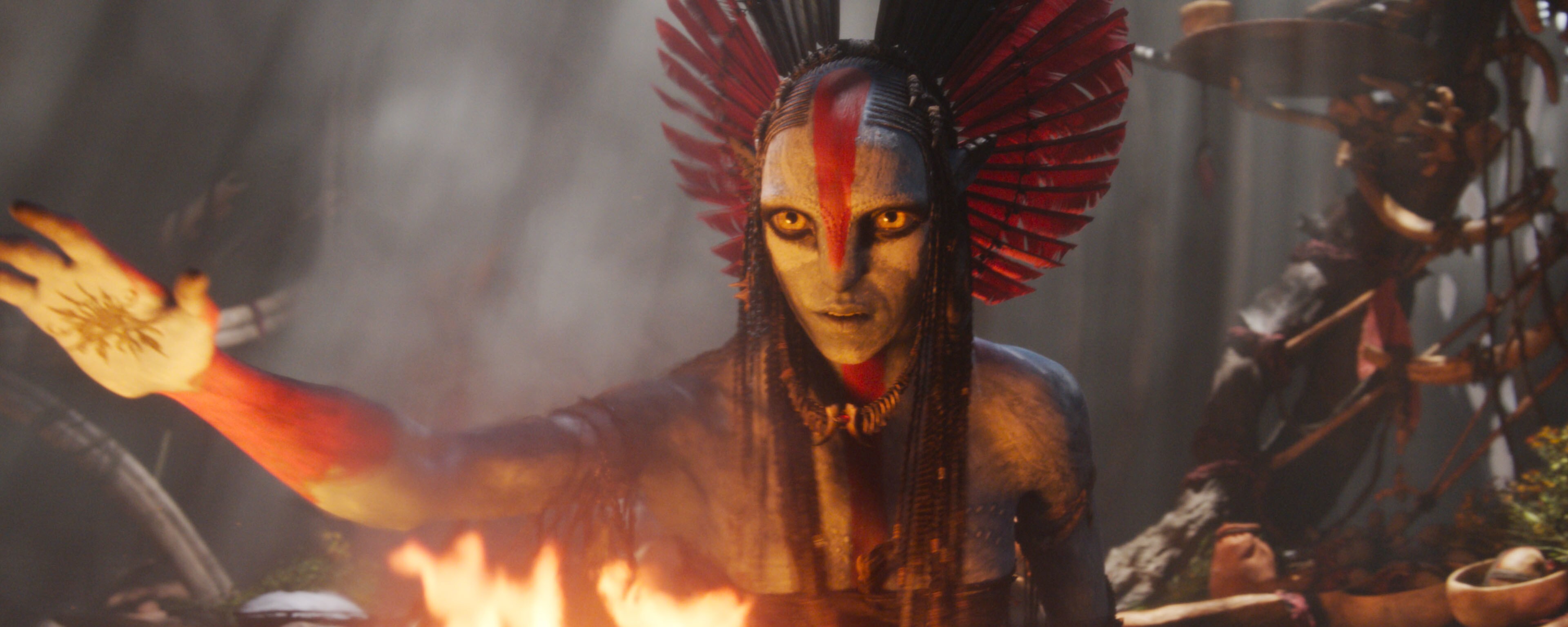
The Ash People live in the shadow of Pandora’s destructive volcanos, and years of devastation have led them to turn their back on the Na’vi spiritual entity Eywa. Varang rules her people through fire and fear, and from the moment she appears on screen, streaking through the sky on the back of her winged Nightwraith, she cements her place as one of Pandora’s most memorable antagonists.
Here, Chaplin opens up about bringing Varang to life and how she perfected her signature hiss.
AVATAR.COM: This is the first time we’ve had a Na’vi antagonist in the world of Avatar. What was fun for you about playing such a destructive but powerful leader in Varang?
OONA CHAPLIN: I mean, fun was every day going into work. [I got to work] with some of my heroes in a story that I care about that influenced me and touched my heart when it first came out. I’m a big fan of the first Avatar. I saw it several times in the cinema, and I loved it so much. To be part of that is, in itself, a wild dream come true.
But for me, Varang wasn’t so fun because I really wanted to give her a chance and really try to tell her story. Jim did such a good job at making her a complex character, so I wanted to have her pain and her hurt and her broken heart very present. So, even when she’s doing abominable things, it gives people a chance to have compassion for her — and maybe even a little bit of admiration for her resilience and her capacity to deal with these horrendous traumas.
So, that part was hard. I had to stay in a very dark place in my mind and my heart to give her that three-dimensionality. But it was really fun to be able to move like her, to have all this training and all these resources to learn these skills and to fight, to fly on the [Nightwraith].
That’s a wonderful segue into something else I wanted to touch upon: Can you tell me about how you approached Varang’s movement? She has a different physicality from some of the other Na’vi that we’ve met before.
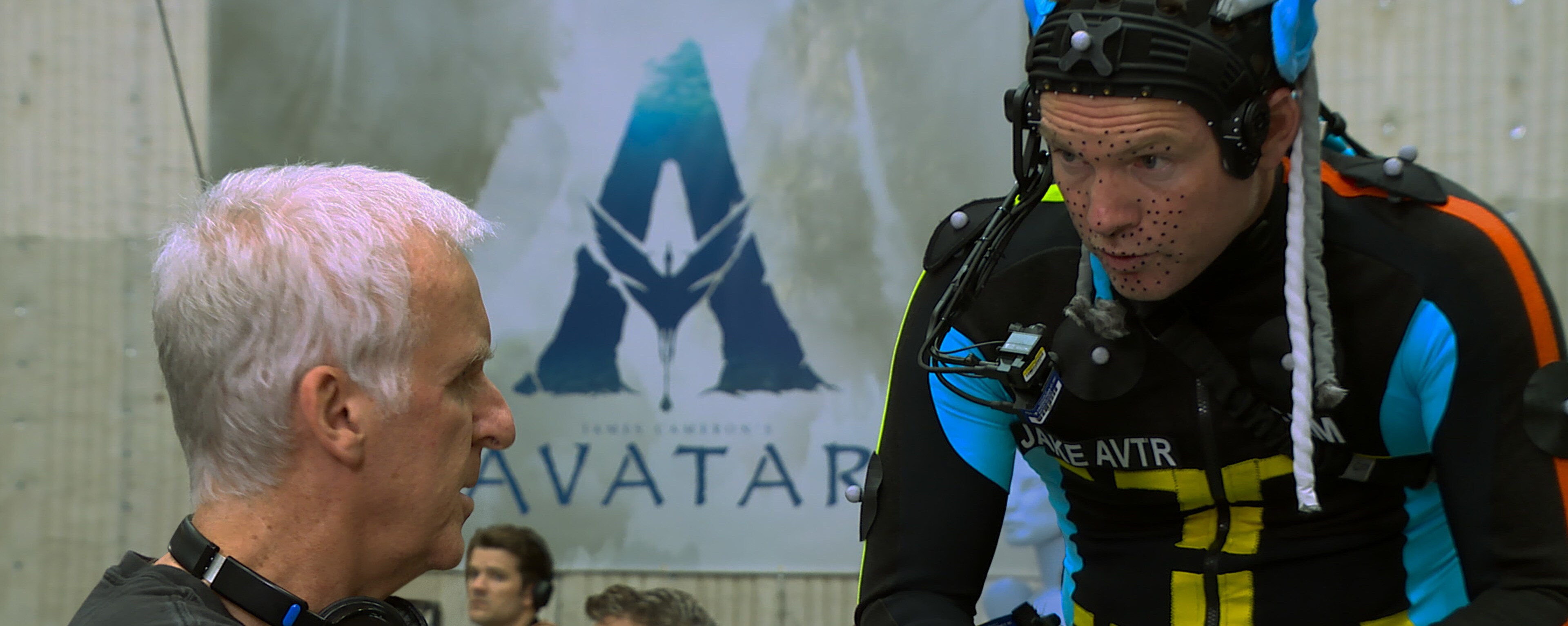
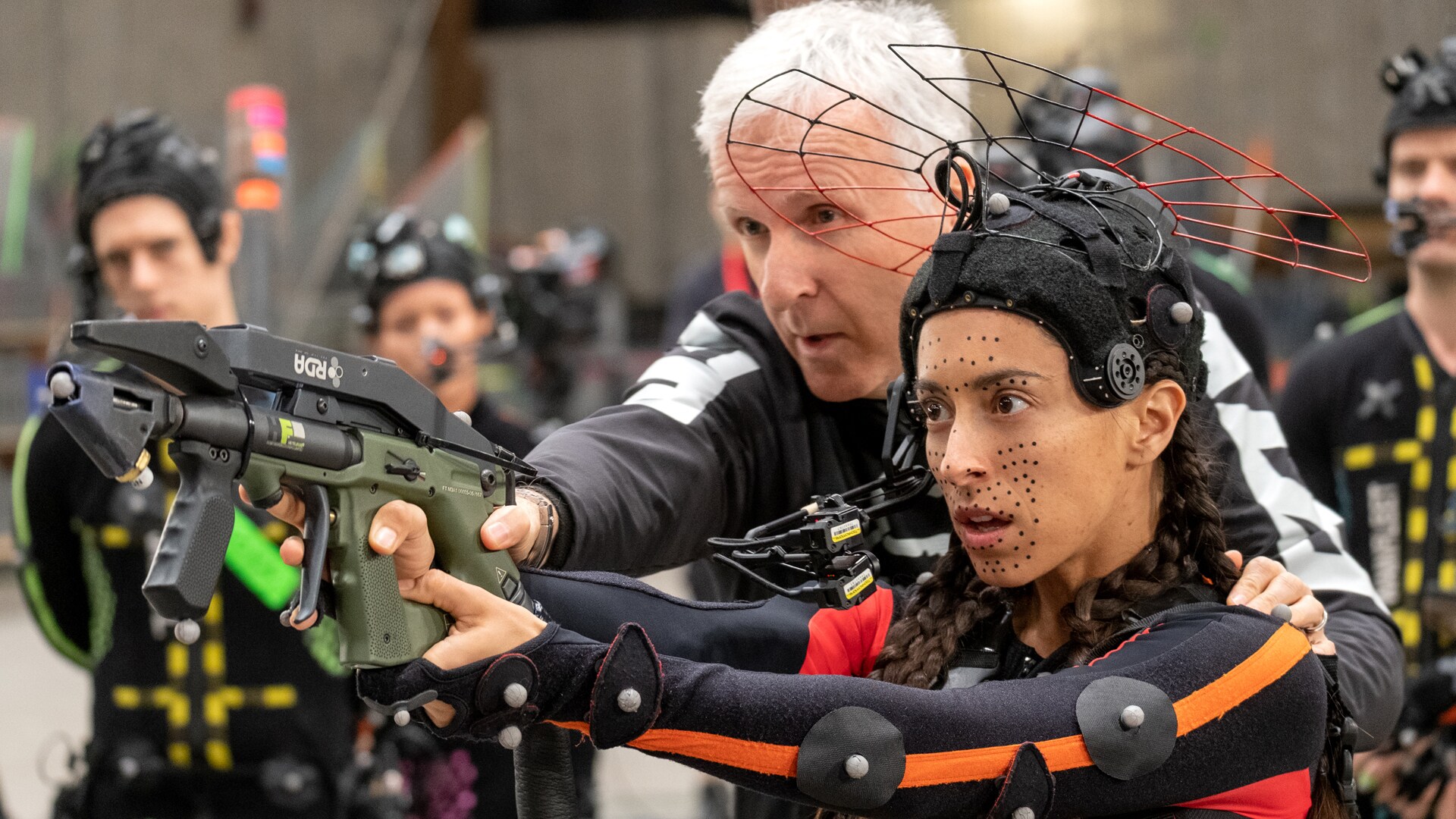
Yeah, she does. There were three real keys to Varang. I think the way that she moves is also the way that she is. The first was the Buugeng, the weapons that she has. They require so much precision and also so much flow. When I first started practicing with them, I was absolutely useless. It was embarrassing! So, I spent thousands of hours practicing. I brushed my teeth with a Buugeng in my hand to try and get my flow!
Then for me, obviously Neytiri is Pandora. Neytiri is Avatar for me. So, I studied Neytiri and how she moved. I would go into the rehearsal room and I’d try and imitate Zoe [Saldaña]. I was also pretty clumsy at that! But Zoe talks about the movement of Neytiri [and how] she moves from the heart. But Varang has a broken heart. She has a lot of pain, so she’s had to shut her heart down. So, what happens if I just tighten around the chest and close the heart, so nothing can go in and nothing can come out? Where does the spark of movement initiate from? Where’s the engine of the body? And boom, it dropped into my pelvis. I realized she’s moving like the lava. When we went down to Hawaii, I got to go to the lava fields and observe how lava comes out of the earth. Like a tongue, it slithers and slides, but it’s unstoppable. It’s slow, but it’s deadly. Those were all influences.
Varang also forms an intense relationship with Quaritch. What interested you most about their dynamic?
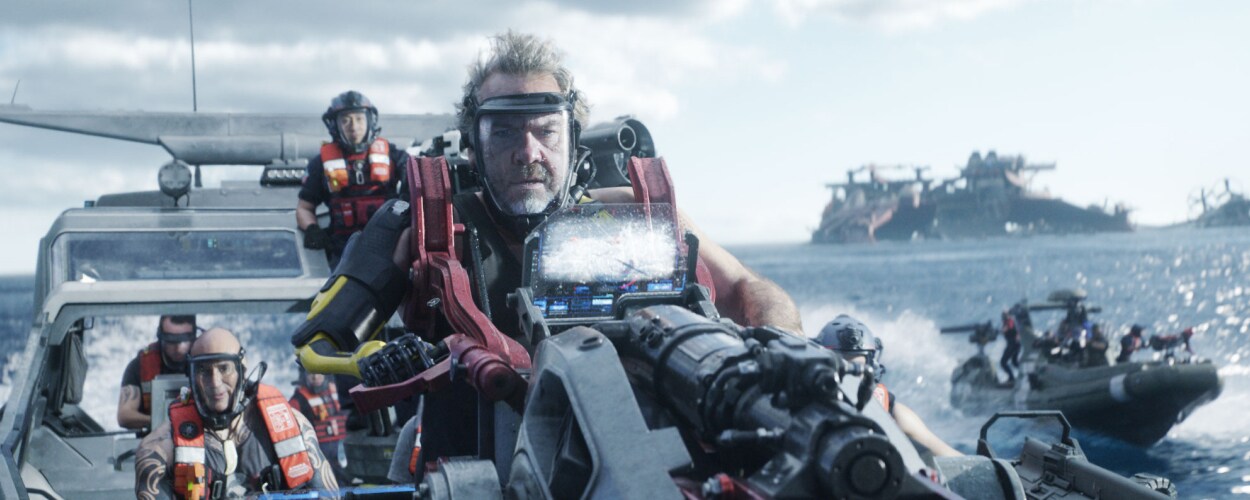
One of the greatest challenges was to tap into Varang’s leadership. She imposes her will in such a strong way that was very unfamiliar to me in my own life. Meeting Quaritch, that’s somebody she can relax around, that she can hand over the reins to a little bit. Not all the way, but [he’s someone] that can meet her in her intensity and has as strong a code of ethics as she does. They share this incredible integrity. Even though I don’t agree with them, I can appreciate and respect the fact that they are aligned in their thought, their heart, and their action. That was for me the real key to their romance. I actually think it’s very romantic that they can lean into one another and feel met. How wonderful. I’m so happy for them. [Laughs]
Was there a particular stunt or skill you learned in production that you’re most proud of?
Oh my God, all of them. I learned so much! We had six weeks of training. We had martial arts. I learned Kali sticks. I learned parkour. I learned the Buugeng, obviously. But I think one of my favorite skills that I’ve used over and over again — and that I’ve used on my daughter a few times — is the hiss. How to hiss, that’s a cool skill! It communicates very simply and very effectively: “You better watch it.” [Laughs]
Coming in as an Avatar fan, what was the biggest surprise about joining this world?
The intimacy of the set. I mean, I knew that James Cameron was a genius. I knew that the incredible cast were all heroes of mine and icons of cinema. So, the artistry, the talent, and the mastery of the craft were all things I expected. But I didn’t expect the family vibe that is thick on the Avatar set. There’s a trust there, and it’s not just with the cast. It’s with the technical team and the staff. It runs thick with family, and that is very cool. I think that’s actually why the films work — because we really love each other.
Avatar: Fire and Ash is now playing in theaters worldwide. Get your tickets now.